Fatigue on the Jobsite: The Hidden Hazard That Can Lead to Injuries
On a busy jobsite, being tired can sometimes feel like part of the job.
Early mornings, long shifts, overtime, changing schedules, physical work, heat, deadlines, and long drives to and from the site can take a toll. Workers may push through because there is a job to finish and a schedule to meet.
But there is a point where being tired becomes more than just uncomfortable. It becomes a safety issue.
Fatigue can affect how quickly we react, how clearly we think, and how well we recognize hazards around us. On a construction site, where conditions can change quickly, those few seconds of lost focus can make a major difference.
Fatigue Affects More Than Energy
When we think about fatigue, we usually think about someone being sleepy or worn out. The effects can go much further than that.
A fatigued worker may have trouble concentrating, remembering instructions, communicating with coworkers, or making good decisions. Reaction times can slow down, and frustration can increase.
Now put that worker behind the wheel of a company vehicle, on a ladder, near energized equipment, inside an excavation, or operating heavy machinery.
The risk changes quickly.
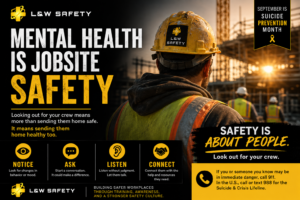
The same can be true for stress. A worker may physically be on the jobsite while their mind is somewhere else. Problems at home, financial stress, deadlines, workplace conflicts, or simply not getting enough rest can all affect someone’s ability to stay focused on the task in front of them.
What Causes Fatigue on the Jobsite?
There is rarely one single cause.
Long shifts and repeated overtime are obvious contributors, but fatigue can also come from early start times, long commutes, night work, changing schedules, physically demanding tasks, heat exposure, poor sleep, and stress.
Sometimes several of these factors happen at the same time.
That is why fatigue should not automatically be treated as a worker simply needing to “tough it out.”
If something is affecting a worker’s ability to perform a task safely, it needs to be treated like any other potential jobsite hazard.
Recognizing the Warning Signs
Supervisors and coworkers should pay attention when someone’s behavior changes.
A worker who normally follows instructions may suddenly start missing steps. Someone may have trouble focusing during a toolbox talk or need instructions repeated several times. You may notice slower reactions, unusual frustration, frequent yawning, or someone taking shortcuts they normally would not take.
None of these signs automatically mean someone is too fatigued to work.
They do mean it may be worth checking in.
A simple conversation can prevent a much bigger problem later.
What Can Supervisors Do?
Managing fatigue does not mean shutting down the job every time someone says they are tired. It means recognizing fatigue as part of the overall risk assessment.
Start with planning.
When possible, schedule demanding or high-risk work with adequate breaks and realistic expectations. Pay particular attention when crews are working extended hours, repeated overtime, night shifts, or in extreme temperatures.
Fatigue and distraction can also be discussed during pre-task planning and Job Hazard Analyses.
Supervisors should create an environment where workers can say, “I’m not in the right condition to do this safely,” without immediately worrying that they will be mocked or punished for speaking up.
Sometimes the solution may be a short break. Other times it may mean rotating tasks, pairing the worker with someone else, or temporarily reassigning a high-risk activity.
The goal is not to eliminate every tired moment on a jobsite. The goal is to prevent fatigue from becoming an incident.
Speaking Up Is Part of Working Safely
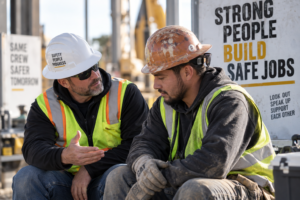
Construction workers are often proud of being able to push through difficult conditions. That work ethic is valuable, but safety still has to come first.
If you are too tired, stressed, or distracted to safely perform a task, speaking up is a safety action.
The same goes for looking out for the person working beside you.
Good safety programs are not only about PPE, equipment inspections, and written procedures. They are also about making sure the people performing the work are prepared to do it safely.
A rested and focused worker is better equipped to recognize hazards, make good decisions, and go home safely at the end of the day.
LW Safety, LLC helps employers build practical safety programs that address the hazards workers face every day. From toolbox talks and employee training to safety procedures and program development, our goal is to help companies create safer workplaces and stronger safety cultures.