Cold Weather Doesn’t Mean Safe Working Conditions
As temperatures begin to drop, outdoor workers face challenges that go beyond simply staying comfortable. Cold weather can create serious health and safety risks, particularly for employees working in construction, maintenance, transportation, and other outdoor industries.
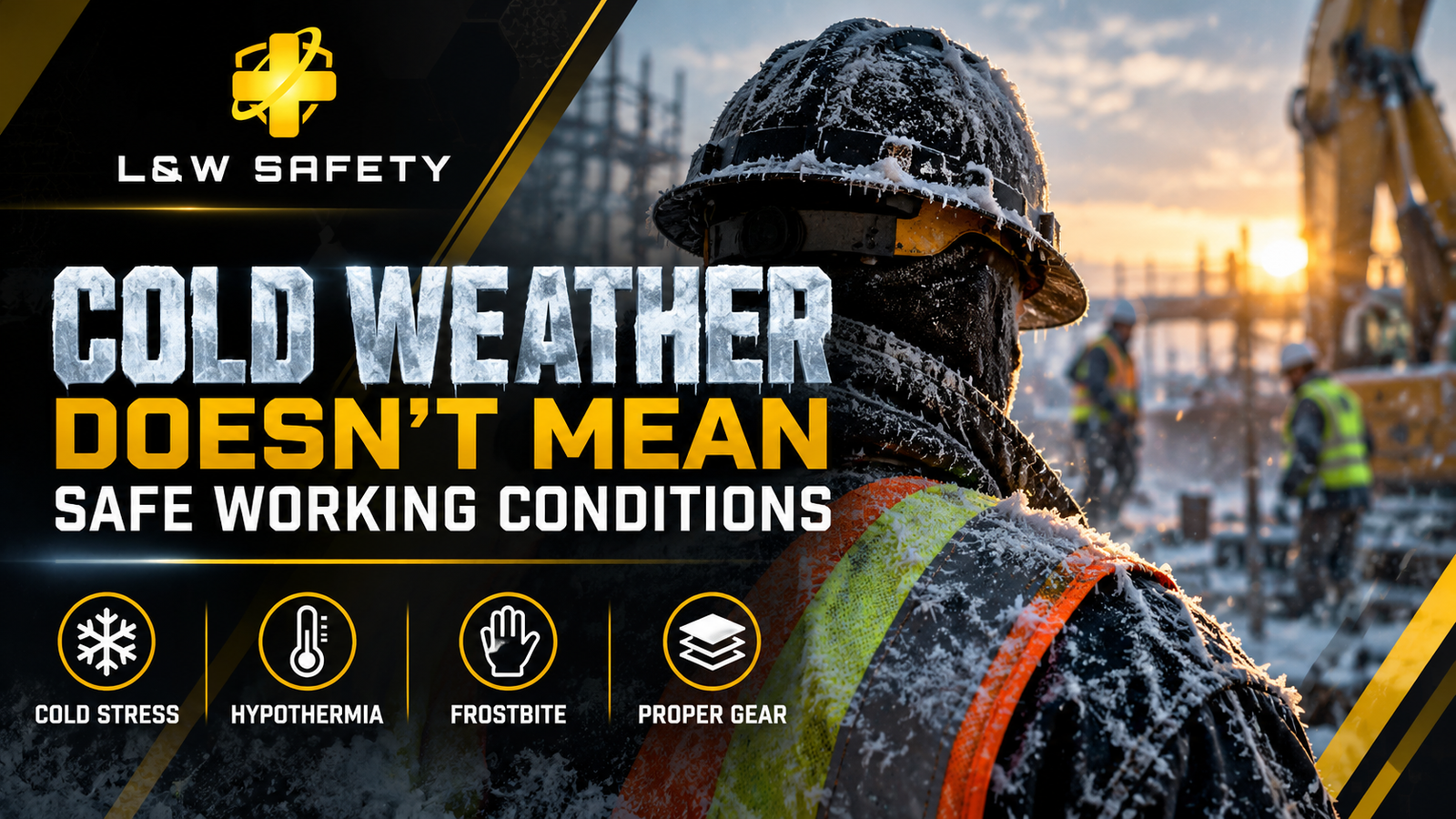
While cold temperatures may seem like a routine part of the job, prolonged exposure can lead to cold stress, frostbite, and hypothermia. Without proper precautions, these conditions can result in serious injuries or even fatalities.
Understanding the risks and preparing workers before temperatures drop can make a significant difference in preventing cold-related emergencies.
Understanding Cold Stress
Cold stress occurs when the body loses heat faster than it can produce it. Although freezing temperatures present obvious dangers, workers can experience cold stress even when temperatures are above freezing.
Wind, rain, damp clothing, and prolonged exposure can increase the body’s rate of heat loss. According to OSHA, hypothermia can occur at temperatures above 40°F when a person becomes chilled by rain, perspiration, or cold water.
Employers should consider more than the temperature when evaluating working conditions. Wind chill, moisture, physical activity, and the length of exposure all contribute to the overall risk.
Recognizing the Warning Signs
Two of the most serious cold-related conditions are hypothermia and frostbite.
Hypothermia occurs when the body’s core temperature drops below 95°F. Early warning signs can include shivering, fatigue, and difficulty concentrating. As the condition progresses, workers may experience confusion, slurred speech, slowed breathing, and loss of consciousness.
A particularly dangerous warning sign is when a severely cold worker stops shivering. This may indicate that hypothermia is progressing rather than improving.
Frostbite occurs when skin and underlying tissues freeze, commonly affecting fingers, toes, ears, and other exposed areas. Warning signs include numbness, unusual skin discoloration, and skin that feels unusually firm or hard.
Workers experiencing symptoms of serious cold-related illness should receive immediate attention. Suspected hypothermia requires prompt medical evaluation, and emergency services should be contacted when severe symptoms are present.
Dressing for Cold Weather Protection
Proper clothing plays an important role in protecting workers from cold stress.
OSHA recommends wearing multiple loose-fitting layers that help retain body heat while protecting against wind and moisture.
An effective layering system includes:
- Base layer: Helps move moisture away from the skin.
- Insulating layer: Retains body heat using materials such as fleece or wool.
- Outer layer: Provides protection against wind, rain, and snow.
Workers should also wear insulated gloves, appropriate footwear, and head coverings when conditions require them.
Wet clothing can significantly increase heat loss. Having additional gloves, socks, and dry clothing available can help prevent unnecessary exposure.
Employer Responsibilities and Prevention
Employers should evaluate cold-weather hazards before assigning outdoor work and establish precautions appropriate for the conditions.
Preventive measures may include:
- Scheduling outdoor work during warmer portions of the day when possible.
- Providing access to warm, dry break areas.
- Encouraging frequent breaks during extended cold-weather exposure.
- Monitoring workers for early symptoms of cold stress.
- Providing appropriate protective clothing and equipment.
- Training employees to recognize cold-related illnesses and respond appropriately.
- Using a buddy system so employees can monitor one another.
Although OSHA does not have a single federal standard specifically addressing all cold-weather work, employers are still responsible for addressing recognized workplace hazards under applicable safety requirements.
Knowing When to Stop Work
There may be situations when working conditions become too dangerous to continue safely.
Extremely low wind chills, wet clothing, prolonged exposure, and limited access to shelter can create hazardous conditions even for experienced employees.
Supervisors should evaluate weather forecasts, monitor changing conditions, and make adjustments when necessary. Delaying or rescheduling work may be the safest decision when adequate protection cannot be maintained.
A Commitment to Cold-Weather Safety
Cold-weather injuries are often preventable when employers and employees recognize the hazards and take appropriate precautions.
Planning ahead, providing suitable protective equipment, monitoring conditions, and encouraging workers to report symptoms can help reduce the likelihood of serious incidents.
At L & W Safety, we believe workplace safety should never depend on the season. Protecting employees means recognizing changing hazards, preparing for the conditions, and making sure every worker has the knowledge and resources needed to return home safely.